تم النشر 24 اكتوبر 2011

تعتقد الاستخبارات البريطانية أن اعتقال وتسليم اثنين من كبار قادة الثوار الليبيين، التي نفذت بمشاركة من الاستخبارات البريطانية MI6، عزز تنظيم القاعدة وساعد الجماعات التي تهاجم القوات البريطانية في العراق، كما كشفت الوثائق السرية.
الأوراق التي اكتشفت في مقر إقامة السفير البريطاني المهجور في طرابلس، تثير تساؤلات جديدة ومدمرة حول دور بريطانيا في احتجاز وتعذيب المعارضين الرئيسيين لنظام معمر القذافي.
وتواجه بريطانيا بالفعل اجراءات قانونية حول تورطها في مؤامرة القبض على عبد الحكيم بلحاج، زعيم الجماعة الإسلامية الليبية المقاتلة و الذي يشغل الآن القائد العسكري في طرابلس، ونائبه سامي الساعدي. ويقول كلا الرجلين انهما تعرضا للتعذيب والسجن بعد تسليمهم للقذافي.
تكشف الوثائق أن الاستخبارات البريطانية تعتقد أن تسليم الرجلين عزز تنظيم القاعدة من خلال إزالة العناصر الأكثر اعتدالا من قيادة التمرد. وسمح هذا بدفع المتطرفين نحو تشكيل "جماعة متماسكة نسبيا" ركزت على الإطاحة بالقذافي الى الانضمام الى الشبكة الارهابية عموم الإسلاميين.
احدي الوثائق حملت العنوان "المملكة المتحدة / ليبيا للاطلاع فقط - سري"، أظهرت ان الاجهزة الامنية رصدت أعضاء الجماعة الإسلامية الليبية المقاتلة منذ وصولهم إلى بريطانيا بعد محاولة فاشلة لقتل القذافي في عام 1996، وكان يفهم أن هدفهم استبدال نظامه بدولة اسلامية .
وجاء في الورقة التي أعدتها الأجهزة الأمنية لزيارة جهاز المخابرات البريطانية MI5 التي استغرقت أربعة أيام في فبراير 2005 أنه بعد القبض على اثنين من القادة الرئيسيين للجماعة قبل سنة من تحول الجماعة الي حالة من الفوضى.
وجاء في الورقة : "المتطرفين هم المهيمنون الآن "، وكانوا "يدفعون الجماعة لتبني جدول أعمال أكثر إسلامية مستوحي من تنظيم القاعدة".
وتواصل الورقة أن أهدافهم "الاوسع" كانت زعزعة استقرار الحكومات العربية التي لا تتبع الشريعة ولا تسعي لتحرير الاراضي الاسلامية التي احتلها الغرب
وواصلت.الوثيقة التي تضم 58 صفحة، والتي تضمنت أسماء وصور وسير ذاتية مفصلة عن اثني عشر عضوا في الجماعة المزعومة في المملكة المتحدة، تسليط الضوء على "الاستنتاجات المثيرة للقلق" في ضوء هذه التغييرات.
وشمل هذا إرسال الأموال والوثائق المزورة لجهة اتصال في ايران للمساعدة في تهريب المقاتلين إلى العراق، حيث كانت القوات البريطانية والامريكية تتعرض لهجوم شرس. وقال التقرير :"كان الأعضاء البريطانيين يتمتعون منذ فترة طويلة بسمعة أنهم أفضل الموردين للوثائق المزورة في أوساط المتطرفين في جميع أنحاء العالم"، . وأضاف أن أعضاء الجماعة الإسلامية الليبية المقاتلة البريطانيين أصبح "طموحهم يتزايد " في جمع التبرعات من خلال مطاعم الوجبات السريعة، والاحتيال، والممتلكات وتجارة السيارات ، وجمعوا ما يقرب من جميع الأموال للجماعة من خارج ليبيا . الأمن . وطلب قوات الأمن البريطانية من القذافي الوصول إلى المعتقلين واستجواباتهم .
ردا على سؤال حول الوثيقة قال المتحدث باسم وزارة الخارجية: "إن سياسة الحكومة منذ فترة طويلة تقضي بعدم التعليق على المسائل الاستخباراتية".
وفي نهاية المطاف اندمجت الجماعة الإسلامية الليبية المقاتلة مع تنظيم القاعدة في عام 2007، ولكن وثيقة ثانية بها مستجدات سرية عن الشبكات الليبية المتطرفة في المملكة المتحدة في الفترة من أغسطس 2008 تقول أن أعضاء الجماعة البريطانيين كانوا "خانعين ومختلطين ".
وخلصت إلى أن أولئك الذين يدعمون بالفعل الأهداف الأوسع لتنظيم القاعدة لا زالوا يواصلون دعمهم ، ولكن الذين "لديهم تحفظات عليها يركزون على ليبيا". وأضافت الوثيقة أن بعض الأموال التي يجمعها أعضاء الجماعة في مانشستر قد ذهبت "للمساعدة في النشاط العملياتي".
وقد تم إغفال ملفات الوثائق السرية التي التي تضمنت رسائل خاصة من توني بلير وجوردون براون ومساعدين بارزين في داوننغ ستريتعن إلى القذافي عندما وقع الهجوم من الموالين للقذافي في شهر أبريل علي مقر الاقامة المكون من ثلاثة طوابق - . .
كان هناك أيضا ملفا أعدته المخابرات البريطانية يحمل أسئلة مقترحة من أجل الرجال الذين ألقي القبض عليهم. فالوثيقة المكونة من 39 صفحة التي حملت العنوان موجز عن المعتقلين ووصفت ب "سري - المملكة المتحدة " على كل صفحة، كتب في ثلاثة أقسام في مارس ويونيه واكتوبر 2004.
يرجع تاريخ القسم الأول الي الشهرالذي تم فيه اعتقال بلحاج، وسعي للبحث عن إجابات عن كل شيء من حياته الخاصة لتدريبه العسكري، وأنشطته في أفغانستان وصلاته بتنظيم القاعدة. كانت هناك أيضا أسئلة شخصية حول السعدي.
الجماعة الإسلامية الليبية المقاتلة، التي أسسها قدامى المحاربين في حرب المجاهدين ضد الغزو السوفيتي لأفغانستان، كانت تشكل لسنوات عديدة التهديد الداخلي الأخطر لنظام القذافي وكادوا يفتكوا بالديكتاتور بتفجير سيارة مفخخة في بلدته سرت في عام 1996. و نفت الحكومة مزاعم ديفيد شيلر، الجاسوس البريطاني المنشق، أن محاولة الاغتيال تلك مولتها المخابرات البريطانية.
بعد حملة القذافي على الجماعة تم السماح لعشرات من المعارضين الاستيطان في بريطانيا.ولم تضع لندن الجماعة الإسلامية الليبية المقاتلة علي قائمة المنظمات الارهابية الا بعد ان قالت ليبيا انها ستتخلى عن برنامجها لأسلحة الدمار الشامل في عام 2003. وفهمت هذه الخطوة أنه تم الاتفاق عليها كجزء من المفاوضات مع نظام القذافي والتي مهدت الطريق لصفقة بلير المثيرة للجدل .
ويستعد الان بلحاج، وهو الآن شخصية رئيسية في ليبيا المحررة، لمقاضاة بريطانيا بعد أن أشارت وثائق أخرى اكتشفت في أعقاب سقوط القذافي أن المخابرات البريطانية MI6 ساعدت في تسليمه للتعذيب والمعاملة الوحشية علي يد كالة المخابرات المركزية ونظام القذافي
كانت .المخابرات البريطانية MI6 قد أبلغت كالة المخابرات المركزية عن مكان وجوده بعد ان ابلغ زملاؤه الدبلوماسيين البريطانيين في ماليزيا انه يريد طلب اللجوء السياسي الي بريطانيا.
وسمح له بركوب الطائرة المتجهة إلى لندن، ثم اختطف عندما هبطت طائرته في بانكوك.
يدعي بلحاج انه علق من السقف وتعرض للتعذيب في مطار بانكوك قبل أن يقضي ست سنوات في الحبس الانفرادي في سجن ابو سليم في طرابلس. ويزعم أيضا أن ثلاثة وكلاء بريطانيين قاموا باستجوابه، بينهم امرأة، وتجاهلوا شكواه حول سوء المعاملة وضرب زوجته الحامل.
ويدعي بلحاج مرارا وتكرارا أن الدافع الوحيد له كان الإطاحة بنظام القذافي وانه ليس لديه مصلحة في أهداف أو أنشطة تنظيم القاعدة.
وقال ديفيد ميفام، مدير هيومن رايتس ووتش: في المملكة المتحدة "من المخجل والغريب ان تدعم بريطانيا تسليم الأفراد إلى ليبيا رغم أن انتهاكات حقوق الإنسان في ظل القذافي كانت فظيعة جدا، وواسعة النطاق وموثقة جيدا."
النص بالانجليزية حفاظا علي المصدر :
http://www.theguardian.com/world/2011/oct/24/mi6-libya-rebels-rendition-al-qaida
تعتقد الاستخبارات البريطانية أن اعتقال وتسليم اثنين من كبار قادة الثوار الليبيين، التي نفذت بمشاركة من الاستخبارات البريطانية MI6، عزز تنظيم القاعدة وساعد الجماعات التي تهاجم القوات البريطانية في العراق، كما كشفت الوثائق السرية.
الأوراق التي اكتشفت في مقر إقامة السفير البريطاني المهجور في طرابلس، تثير تساؤلات جديدة ومدمرة حول دور بريطانيا في احتجاز وتعذيب المعارضين الرئيسيين لنظام معمر القذافي.
وتواجه بريطانيا بالفعل اجراءات قانونية حول تورطها في مؤامرة القبض على عبد الحكيم بلحاج، زعيم الجماعة الإسلامية الليبية المقاتلة و الذي يشغل الآن القائد العسكري في طرابلس، ونائبه سامي الساعدي. ويقول كلا الرجلين انهما تعرضا للتعذيب والسجن بعد تسليمهم للقذافي.
تكشف الوثائق أن الاستخبارات البريطانية تعتقد أن تسليم الرجلين عزز تنظيم القاعدة من خلال إزالة العناصر الأكثر اعتدالا من قيادة التمرد. وسمح هذا بدفع المتطرفين نحو تشكيل "جماعة متماسكة نسبيا" ركزت على الإطاحة بالقذافي الى الانضمام الى الشبكة الارهابية عموم الإسلاميين.
احدي الوثائق حملت العنوان "المملكة المتحدة / ليبيا للاطلاع فقط - سري"، أظهرت ان الاجهزة الامنية رصدت أعضاء الجماعة الإسلامية الليبية المقاتلة منذ وصولهم إلى بريطانيا بعد محاولة فاشلة لقتل القذافي في عام 1996، وكان يفهم أن هدفهم استبدال نظامه بدولة اسلامية .
وجاء في الورقة التي أعدتها الأجهزة الأمنية لزيارة جهاز المخابرات البريطانية MI5 التي استغرقت أربعة أيام في فبراير 2005 أنه بعد القبض على اثنين من القادة الرئيسيين للجماعة قبل سنة من تحول الجماعة الي حالة من الفوضى.
وجاء في الورقة : "المتطرفين هم المهيمنون الآن "، وكانوا "يدفعون الجماعة لتبني جدول أعمال أكثر إسلامية مستوحي من تنظيم القاعدة".
وتواصل الورقة أن أهدافهم "الاوسع" كانت زعزعة استقرار الحكومات العربية التي لا تتبع الشريعة ولا تسعي لتحرير الاراضي الاسلامية التي احتلها الغرب
وواصلت.الوثيقة التي تضم 58 صفحة، والتي تضمنت أسماء وصور وسير ذاتية مفصلة عن اثني عشر عضوا في الجماعة المزعومة في المملكة المتحدة، تسليط الضوء على "الاستنتاجات المثيرة للقلق" في ضوء هذه التغييرات.
وشمل هذا إرسال الأموال والوثائق المزورة لجهة اتصال في ايران للمساعدة في تهريب المقاتلين إلى العراق، حيث كانت القوات البريطانية والامريكية تتعرض لهجوم شرس. وقال التقرير :"كان الأعضاء البريطانيين يتمتعون منذ فترة طويلة بسمعة أنهم أفضل الموردين للوثائق المزورة في أوساط المتطرفين في جميع أنحاء العالم"، . وأضاف أن أعضاء الجماعة الإسلامية الليبية المقاتلة البريطانيين أصبح "طموحهم يتزايد " في جمع التبرعات من خلال مطاعم الوجبات السريعة، والاحتيال، والممتلكات وتجارة السيارات ، وجمعوا ما يقرب من جميع الأموال للجماعة من خارج ليبيا . الأمن . وطلب قوات الأمن البريطانية من القذافي الوصول إلى المعتقلين واستجواباتهم .
ردا على سؤال حول الوثيقة قال المتحدث باسم وزارة الخارجية: "إن سياسة الحكومة منذ فترة طويلة تقضي بعدم التعليق على المسائل الاستخباراتية".
وفي نهاية المطاف اندمجت الجماعة الإسلامية الليبية المقاتلة مع تنظيم القاعدة في عام 2007، ولكن وثيقة ثانية بها مستجدات سرية عن الشبكات الليبية المتطرفة في المملكة المتحدة في الفترة من أغسطس 2008 تقول أن أعضاء الجماعة البريطانيين كانوا "خانعين ومختلطين ".
وخلصت إلى أن أولئك الذين يدعمون بالفعل الأهداف الأوسع لتنظيم القاعدة لا زالوا يواصلون دعمهم ، ولكن الذين "لديهم تحفظات عليها يركزون على ليبيا". وأضافت الوثيقة أن بعض الأموال التي يجمعها أعضاء الجماعة في مانشستر قد ذهبت "للمساعدة في النشاط العملياتي".
وقد تم إغفال ملفات الوثائق السرية التي التي تضمنت رسائل خاصة من توني بلير وجوردون براون ومساعدين بارزين في داوننغ ستريتعن إلى القذافي عندما وقع الهجوم من الموالين للقذافي في شهر أبريل علي مقر الاقامة المكون من ثلاثة طوابق - . .
كان هناك أيضا ملفا أعدته المخابرات البريطانية يحمل أسئلة مقترحة من أجل الرجال الذين ألقي القبض عليهم. فالوثيقة المكونة من 39 صفحة التي حملت العنوان موجز عن المعتقلين ووصفت ب "سري - المملكة المتحدة " على كل صفحة، كتب في ثلاثة أقسام في مارس ويونيه واكتوبر 2004.
يرجع تاريخ القسم الأول الي الشهرالذي تم فيه اعتقال بلحاج، وسعي للبحث عن إجابات عن كل شيء من حياته الخاصة لتدريبه العسكري، وأنشطته في أفغانستان وصلاته بتنظيم القاعدة. كانت هناك أيضا أسئلة شخصية حول السعدي.
الجماعة الإسلامية الليبية المقاتلة، التي أسسها قدامى المحاربين في حرب المجاهدين ضد الغزو السوفيتي لأفغانستان، كانت تشكل لسنوات عديدة التهديد الداخلي الأخطر لنظام القذافي وكادوا يفتكوا بالديكتاتور بتفجير سيارة مفخخة في بلدته سرت في عام 1996. و نفت الحكومة مزاعم ديفيد شيلر، الجاسوس البريطاني المنشق، أن محاولة الاغتيال تلك مولتها المخابرات البريطانية.
بعد حملة القذافي على الجماعة تم السماح لعشرات من المعارضين الاستيطان في بريطانيا.ولم تضع لندن الجماعة الإسلامية الليبية المقاتلة علي قائمة المنظمات الارهابية الا بعد ان قالت ليبيا انها ستتخلى عن برنامجها لأسلحة الدمار الشامل في عام 2003. وفهمت هذه الخطوة أنه تم الاتفاق عليها كجزء من المفاوضات مع نظام القذافي والتي مهدت الطريق لصفقة بلير المثيرة للجدل .
ويستعد الان بلحاج، وهو الآن شخصية رئيسية في ليبيا المحررة، لمقاضاة بريطانيا بعد أن أشارت وثائق أخرى اكتشفت في أعقاب سقوط القذافي أن المخابرات البريطانية MI6 ساعدت في تسليمه للتعذيب والمعاملة الوحشية علي يد كالة المخابرات المركزية ونظام القذافي
كانت .المخابرات البريطانية MI6 قد أبلغت كالة المخابرات المركزية عن مكان وجوده بعد ان ابلغ زملاؤه الدبلوماسيين البريطانيين في ماليزيا انه يريد طلب اللجوء السياسي الي بريطانيا.
وسمح له بركوب الطائرة المتجهة إلى لندن، ثم اختطف عندما هبطت طائرته في بانكوك.
يدعي بلحاج انه علق من السقف وتعرض للتعذيب في مطار بانكوك قبل أن يقضي ست سنوات في الحبس الانفرادي في سجن ابو سليم في طرابلس. ويزعم أيضا أن ثلاثة وكلاء بريطانيين قاموا باستجوابه، بينهم امرأة، وتجاهلوا شكواه حول سوء المعاملة وضرب زوجته الحامل.
ويدعي بلحاج مرارا وتكرارا أن الدافع الوحيد له كان الإطاحة بنظام القذافي وانه ليس لديه مصلحة في أهداف أو أنشطة تنظيم القاعدة.
وقال ديفيد ميفام، مدير هيومن رايتس ووتش: في المملكة المتحدة "من المخجل والغريب ان تدعم بريطانيا تسليم الأفراد إلى ليبيا رغم أن انتهاكات حقوق الإنسان في ظل القذافي كانت فظيعة جدا، وواسعة النطاق وموثقة جيدا."
النص بالانجليزية حفاظا علي المصدر :
MI6 role in Libyan rebels' rendition 'helped to strengthen al-Qaida'
MI6 role in Libyan rebels' rendition 'helped to strengthen al-Qaida'
Secret documents reveal British intelligence concerns and raise damaging questions about UK's targeting of Gaddafi opponents
 Email
Email
Britain already faces
legal action over its involvement in the plot to seize Abdul Hakim
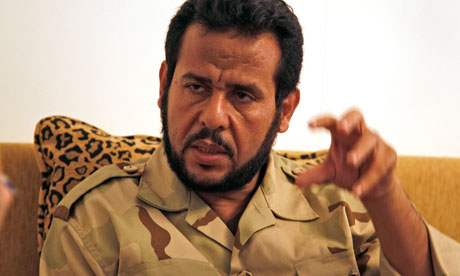
Belhaj, who is now the military commander in Tripoli. Photograph:
Francois Mori/AP
British intelligence believes the capture and rendition of two top Libyan rebel commanders, carried out with the involvement of MI6, strengthened al-Qaida and helped groups attacking British forces in Iraq, secret documents reveal.
The papers, discovered in the British ambassador's abandoned residence in Tripoli, raise new and damaging questions over Britain's role in the seizure and torture of key opponents of Muammar Gaddafi's regime.
Britain is already facing legal actions over its involvement in the plot to seize Abdul Hakim Belhaj, leader of the Libyan Islamic Fighting Group (LIFG) who is now the military commander in Tripoli, and his deputy, Sami al-Saadi. Both men say they were tortured and jailed after being handed over to Gaddafi.
The documents reveal that British intelligence believe the pair's rendition boosted al-Qaida by removing more moderate elements from the insurgency's leadership. This allowed extremists to push "a relatively close-knit group" focused on overthrowing Gaddafi into joining the pan-Islamist terror network.
One document, headed "UK/Libya eyes only - Secret", showed the security services had monitored LIFG members since their arrival in Britain following a failed attempt to kill Gaddafi in 1996, and understood their aim was the replacement of his regime with an Islamic state.
The briefing paper, prepared by the security service for a four-day MI5 visit in February 2005, said that following the seizure of its two key leaders the year before the group had been cast into a state of disarray.
"The extremists are now in the ascendancy," the paper said, and they were "pushing the group towards a more pan-Islamic agenda inspired by AQ [al-Qaida]".
Their "broadened" goals, it continued, were now also the destabilisation of Arab governments that were not following sharia law and the liberation of Muslim territories occupied by the west.
The 58-page document, which included names, photographs and detailed biographies of a dozen alleged LIFG members in the UK, went on to highlight "conclusions of concern" in the light of these changes.
These included the sending of money and false documents to a contact in Iran to help smuggle fighters into Iraq, where British and US forces were coming under fierce attack. "UK members have long enjoyed a reputation as the best suppliers of false documents in the worldwide extremist community," said the report. It added that British LIFG members were becoming "increasingly ambitious" at fundraising through fast-food restaurants, fraud, property and car dealing, and raised nearly all the money for the group outside of Libya.British security also asked Gaddafi's security forces for access to detainees and their debriefs.
Asked about the document, a Foreign Office spokesman said: "It is the government's longstanding policy not to comment on intelligence matters."
The LIFG eventually merged with al-Qaida in 2007. However, a second document, a secret update on Libyan extremist networks in the UK from August 2008, says the response of British members was "subdued and mixed".
It concluded that those already supporting the wider aims of al-Qaida continued to do so, but "those with reservations retain their focus on Libya". It added, however, that some money raised by members in Manchester may have gone to "assist operational activity".
The cache of confidential documents - which included private letters to Gaddafi from Tony Blair, Gordon Brown and key Downing Street aides - was abandoned when the three-story residence was attacked by Gaddafi loyalists in April. .
There was also a dossier prepared by British intelligence with suggested questions for the captured men. The 39-page document, entitled Briefs for Detainees and labelled "UK Secret" on each page, was written in three sections in March, June and October 2004.
The first section is dated the month of Belhaj's arrest, and sought answers on everything from his private life to his military training, activities in Afghanistan and links to al-Qaida. There were also personalised questions for Saadi.
The LIFG, founded by veterans of the mujahideen's war against the Soviet invasion of Afghanistan, was for many years the most serious internal threat to Gaddafi, coming close to blowing up the dictator with a car bomb in his home town of Sirte in 1996. The government denied claims by David Shayler, the renegade British spy, that this assassination attempt was funded by British intelligence.
After Gaddafi's clampdown on the group, dozens of dissidents were allowed to settle in Britain. London only designated the LIFG a terrorist organisation after Libya said it was abandoning its weapons of mass destruction programme in 2003. The move is understood to have been agreed as part of the negotiations with Gaddafi's regime that paved the way to the controversial Blair deal.
Belhaj, now a key figure in liberated Libya, is preparing to sue Britain after other documents discovered in the wake of Gaddafi's fall indicated that MI6 assisted in his rendition to torture and brutal treatment from the CIA and Gaddafi's regime.
MI6 informed the CIA of his whereabouts after his associates told British diplomats in Malaysia he wanted to claim asylum in Britain.
He was allowed to board a flight to London, then abducted when his aircraft landed at Bangkok.
Belhaj claims he was suspended from a ceiling and tortured at Bangkok airport before spending six years in solitary confinement at Tripoli's notorious Abu Selim jail. He also alleges that he was questioned by three British agents, one a woman, who ignored his complaints about mistreatment, and that his pregnant wife was also beaten.
Belhaj has claimed repeatedly that his sole motivation was the overthrow of the Gaddafi regime and that he had no interest in the goals or activities of al-Qaida.
David Mepham, UK director of Human Rights Watch, said: "It is extraordinary and shameful that Britain should have supported the rendition of individuals back to Libya, given that human rights abuses under Gaddafi were so egregious, widespread and well-documented."
The papers, discovered in the British ambassador's abandoned residence in Tripoli, raise new and damaging questions over Britain's role in the seizure and torture of key opponents of Muammar Gaddafi's regime.
Britain is already facing legal actions over its involvement in the plot to seize Abdul Hakim Belhaj, leader of the Libyan Islamic Fighting Group (LIFG) who is now the military commander in Tripoli, and his deputy, Sami al-Saadi. Both men say they were tortured and jailed after being handed over to Gaddafi.
The documents reveal that British intelligence believe the pair's rendition boosted al-Qaida by removing more moderate elements from the insurgency's leadership. This allowed extremists to push "a relatively close-knit group" focused on overthrowing Gaddafi into joining the pan-Islamist terror network.
One document, headed "UK/Libya eyes only - Secret", showed the security services had monitored LIFG members since their arrival in Britain following a failed attempt to kill Gaddafi in 1996, and understood their aim was the replacement of his regime with an Islamic state.
The briefing paper, prepared by the security service for a four-day MI5 visit in February 2005, said that following the seizure of its two key leaders the year before the group had been cast into a state of disarray.
"The extremists are now in the ascendancy," the paper said, and they were "pushing the group towards a more pan-Islamic agenda inspired by AQ [al-Qaida]".
Their "broadened" goals, it continued, were now also the destabilisation of Arab governments that were not following sharia law and the liberation of Muslim territories occupied by the west.
The 58-page document, which included names, photographs and detailed biographies of a dozen alleged LIFG members in the UK, went on to highlight "conclusions of concern" in the light of these changes.
These included the sending of money and false documents to a contact in Iran to help smuggle fighters into Iraq, where British and US forces were coming under fierce attack. "UK members have long enjoyed a reputation as the best suppliers of false documents in the worldwide extremist community," said the report. It added that British LIFG members were becoming "increasingly ambitious" at fundraising through fast-food restaurants, fraud, property and car dealing, and raised nearly all the money for the group outside of Libya.British security also asked Gaddafi's security forces for access to detainees and their debriefs.
Asked about the document, a Foreign Office spokesman said: "It is the government's longstanding policy not to comment on intelligence matters."
The LIFG eventually merged with al-Qaida in 2007. However, a second document, a secret update on Libyan extremist networks in the UK from August 2008, says the response of British members was "subdued and mixed".
It concluded that those already supporting the wider aims of al-Qaida continued to do so, but "those with reservations retain their focus on Libya". It added, however, that some money raised by members in Manchester may have gone to "assist operational activity".
The cache of confidential documents - which included private letters to Gaddafi from Tony Blair, Gordon Brown and key Downing Street aides - was abandoned when the three-story residence was attacked by Gaddafi loyalists in April. .
There was also a dossier prepared by British intelligence with suggested questions for the captured men. The 39-page document, entitled Briefs for Detainees and labelled "UK Secret" on each page, was written in three sections in March, June and October 2004.
The first section is dated the month of Belhaj's arrest, and sought answers on everything from his private life to his military training, activities in Afghanistan and links to al-Qaida. There were also personalised questions for Saadi.
The LIFG, founded by veterans of the mujahideen's war against the Soviet invasion of Afghanistan, was for many years the most serious internal threat to Gaddafi, coming close to blowing up the dictator with a car bomb in his home town of Sirte in 1996. The government denied claims by David Shayler, the renegade British spy, that this assassination attempt was funded by British intelligence.
After Gaddafi's clampdown on the group, dozens of dissidents were allowed to settle in Britain. London only designated the LIFG a terrorist organisation after Libya said it was abandoning its weapons of mass destruction programme in 2003. The move is understood to have been agreed as part of the negotiations with Gaddafi's regime that paved the way to the controversial Blair deal.
Belhaj, now a key figure in liberated Libya, is preparing to sue Britain after other documents discovered in the wake of Gaddafi's fall indicated that MI6 assisted in his rendition to torture and brutal treatment from the CIA and Gaddafi's regime.
MI6 informed the CIA of his whereabouts after his associates told British diplomats in Malaysia he wanted to claim asylum in Britain.
He was allowed to board a flight to London, then abducted when his aircraft landed at Bangkok.
Belhaj claims he was suspended from a ceiling and tortured at Bangkok airport before spending six years in solitary confinement at Tripoli's notorious Abu Selim jail. He also alleges that he was questioned by three British agents, one a woman, who ignored his complaints about mistreatment, and that his pregnant wife was also beaten.
Belhaj has claimed repeatedly that his sole motivation was the overthrow of the Gaddafi regime and that he had no interest in the goals or activities of al-Qaida.
David Mepham, UK director of Human Rights Watch, said: "It is extraordinary and shameful that Britain should have supported the rendition of individuals back to Libya, given that human rights abuses under Gaddafi were so egregious, widespread and well-documented."
http://www.theguardian.com/world/2011/oct/24/mi6-libya-rebels-rendition-al-qaida

ليست هناك تعليقات:
إرسال تعليق